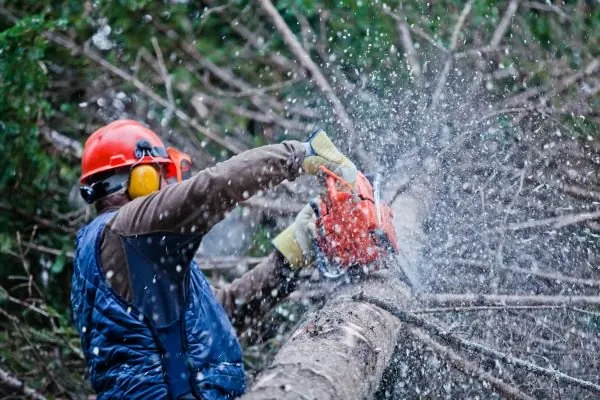
 Tree Removal
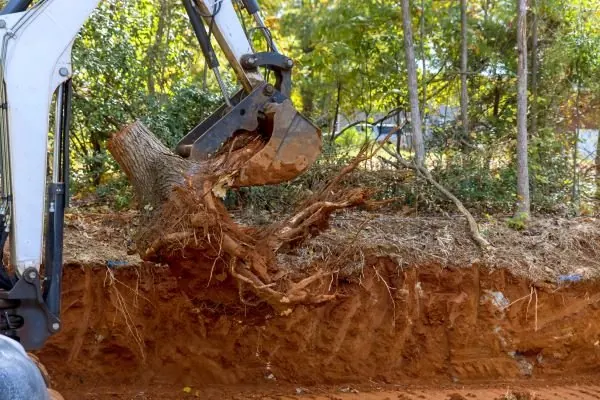 Stump Removal
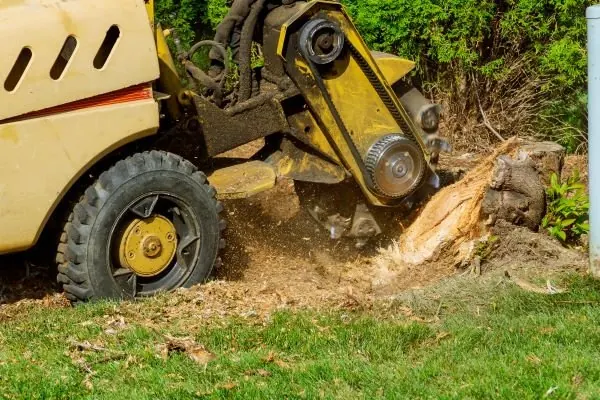 Stump Grinding
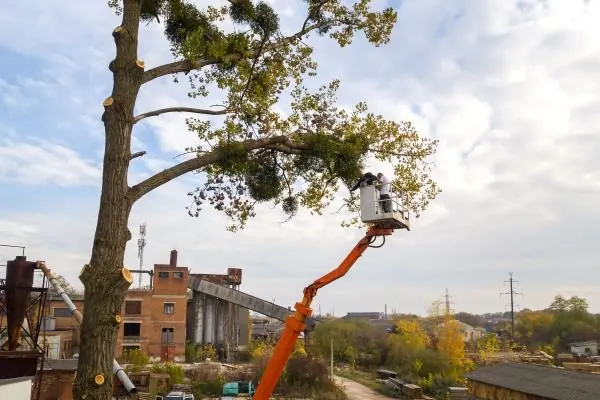 Palm Tree Removal
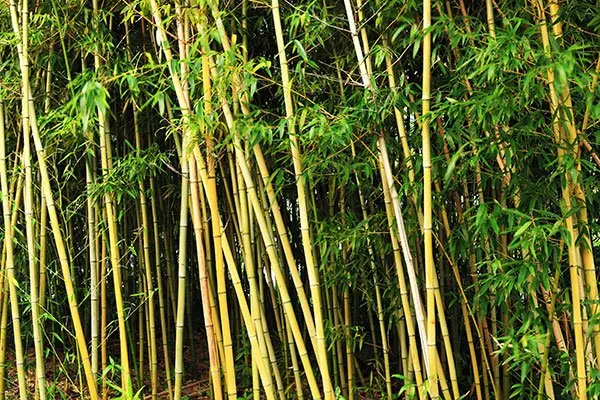 Bamboo Removal
Tree removal in Brisbane, explained plainly
Tree Solutions QLD is a referral service for tree removal in Brisbane and the councils around it. You tell us about the tree. We pass the job to an independent local contractor who comes out, looks at it, and puts a price in writing before anything is cut. The quote is free and there is no obligation to go ahead.
We arrange five kinds of work: removing whole trees, removing stumps, grinding stumps, removing palms and clearing bamboo. Most jobs are a mix of two or three of those, which is why we would rather see the site than guess at a number over the phone.
Why Brisbane trees are a particular job
South-east Queensland grows trees fast. Summers are hot and wet, winters are mild, and a jacaranda, umbrella tree or camphor laurel planted as a sapling can be over the gutter line within a decade. That speed is lovely until the tree is too big for a suburban block, its roots are under the slab, or it is leaning over the neighbour's carport.
Three things shape almost every quote here.
Storms. Storm season in south-east Queensland runs roughly from spring into early autumn, and the supercells that come through bring damaging wind and hail. Big limbs fail, shallow-rooted trees on wet ground tip over, and palms shed fronds across roofs and pools. A lot of the calls we get are either "make this safe before summer" or "this came down last night".
Clay and creeks. Much of Brisbane sits on heavy clay that shrinks in dry spells and swells after rain. Trees on clay often root wide and shallow. Along the creeks and rivers the ground is softer alluvium that stays wet for days after a downpour, which is when trees on those banks are most likely to go over. Bayside suburbs add sandy ground and salt wind. Ipswich and parts of Logan add reactive black soil that moves with the seasons.
Councils and koalas. Brisbane City Council, Logan City Council, the City of Ipswich, the City of Moreton Bay and Redland City Council each have their own rules for trees on private land. Parts of the region are also covered by state koala habitat mapping. None of that means you cannot remove a tree, but it does mean someone should check before a saw is started.
The trees we get asked about most
- Eucalypts. Queensland blue gum, spotted gum, tallowwood, ironbark and planted gums. Heavy, tall and prone to dropping limbs, especially after long dry spells broken by storms.
- Camphor laurel. Common across older suburbs and creek lines. It is a restricted invasive plant in Queensland, grows huge, and its roots chase drains and pipes.
- Jacaranda and poinciana. Much-loved, wide-spreading and brittle. Usually pruning or careful removal near roofs, rarely a simple fell.
- Figs. Weeping figs and other ficus planted close to houses become big root problems for paths, pools and pipes.
- Palms. Cocos, Alexander, Bangalow and fan palms that outgrow courtyards and drop fronds and seed stalks on pools and roofs.
- Bamboo. Clumping and running bamboo planted as a screen that has taken over the fence line.
How a job goes from phone call to clean lawn
- You call or send the form. Tell us the suburb, what kind of tree, roughly how tall, how close it is to the house, fences or wires, and whether the stump should go too. Photos help.
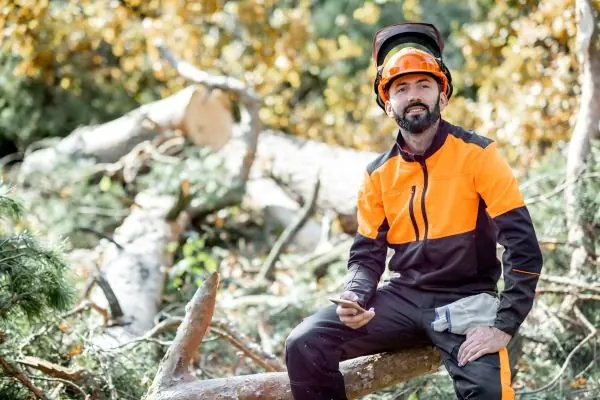
- A contractor visits. They look at the tree, the access through the side gate or over the fence, and what sits underneath the canopy. They check for power lines and anything that looks protected.
- You get a written quote. It should say which trees come down, how, what happens to the stump, what happens to the timber and mulch, and how the site will be protected.
- The job is booked. You choose when. If council approval is needed, that comes first.
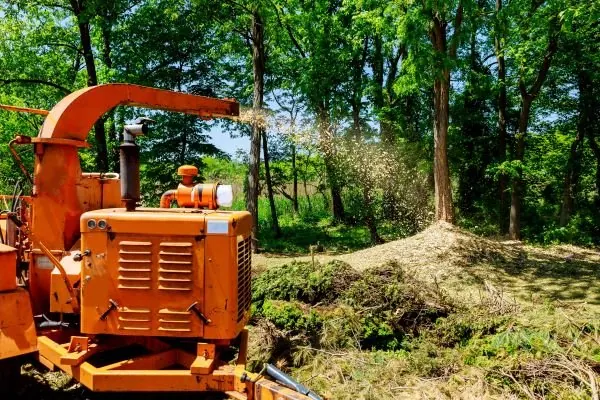
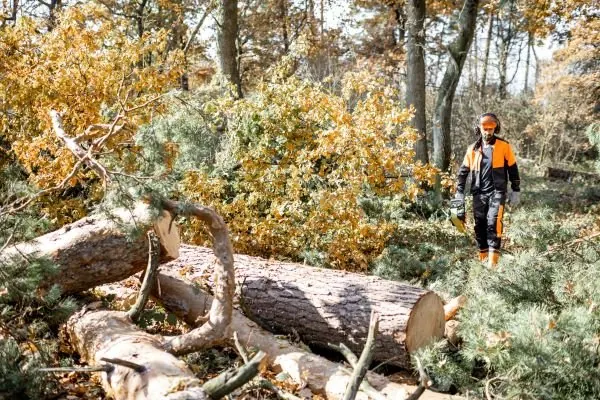
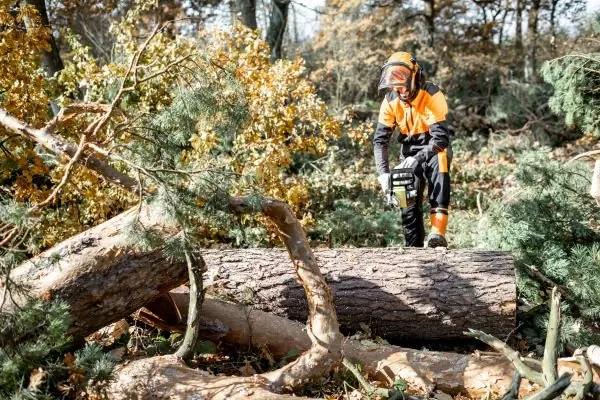
- The work is done and the block is cleaned up. Trees in tight spots come down in roped sections rather than being felled. Branches are chipped, logs are carted, and the lawn is raked.
What we will not tell you
We will not tell you that every tree needs to go. Plenty of trees that look worrying are sound, and a prune can fix what looked like a removal job. We will not quote a firm price without someone seeing the tree. And we will not tell you a protected tree can be taken down without asking the council. Price guides for each kind of job are on the tree removal prices page, and the storm season checklist covers what to look at before summer.
Before you ring
It saves time if you know the suburb, how many trees, a rough height compared with the house, whether there is a side gate and how wide it is, and whether any power lines run near the tree. If the tree is on the boundary, it also helps to have spoken to your neighbour. Then call, or use the form at the bottom of this page.